
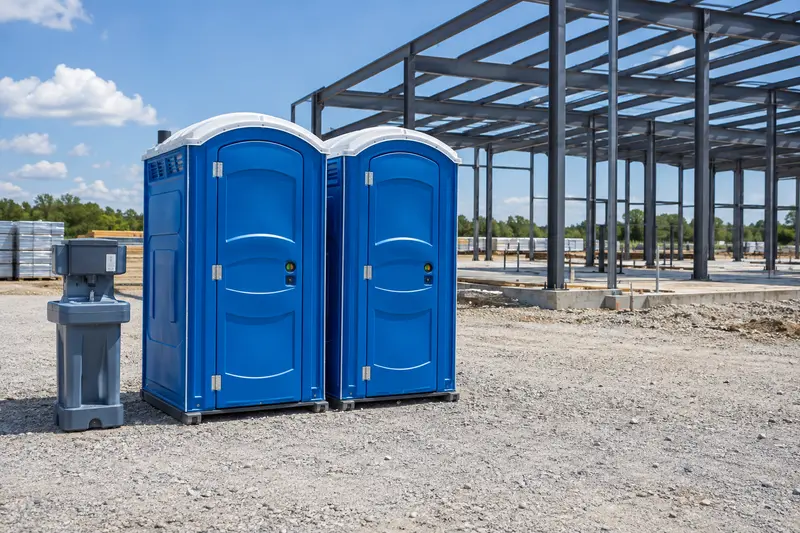
Describe the project beyond its start date
Give the expected duration and what might extend it. Note periods when use will be heavier or the work area may move. A long-term request should include the planned cleaning and supplies as well as the cabin category; equipment left on site needs an ongoing arrangement, not only an initial delivery.
Read the rental period as written
Ask how the quoted period is defined, which visits are included and how billing or extra service is handled. Do not assume that every supplier uses the same meaning of monthly. Keep the accepted terms with the project records and identify the contact authorised to request changes.
End the rental deliberately
Contact the rental team when the need is nearing its end and confirm collection. Make sure gates and the vehicle approach remain available after the crew leaves. If the project runs over, request an extension before the agreed end; neither an unused unit nor a changed work programme automatically updates the booking.
Compare the whole rental period
Check how the billing period is defined, which routine visits are included, and how extensions or extra servicing are requested. A monthly description does not by itself explain the invoice schedule. Keep the written equipment list and service arrangement with the project contact details.
A practical review point
When the headcount, shift pattern or site entrance changes, review the existing arrangement. Adding workers without revisiting supplies and service can leave the original plan unsuitable. Before the work finishes, confirm the off-hire procedure and collection access rather than relying on the estimated completion date.